
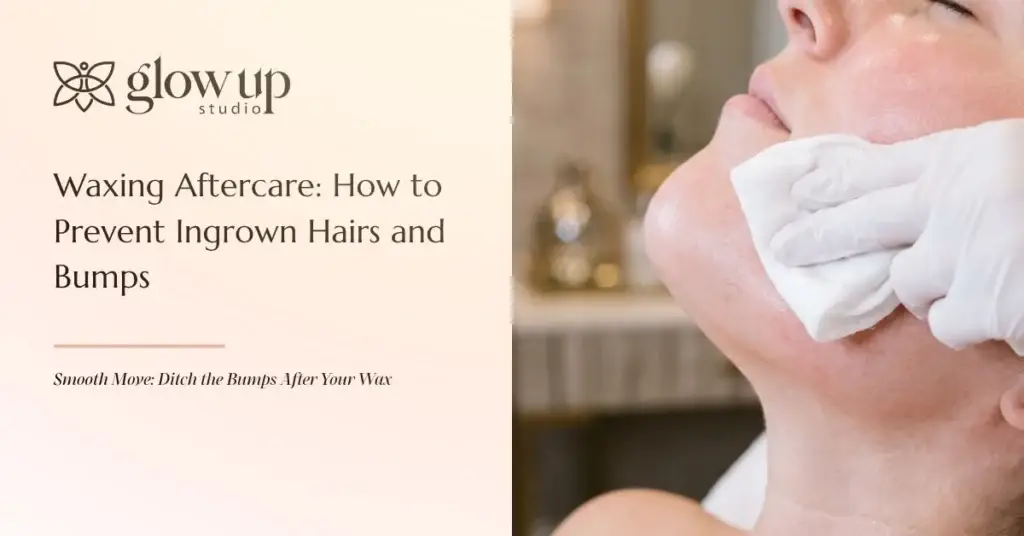
“Waxing aftercare how to prevent ingrown hairs” is one of the most common things people search after a body wax, and there’s a lot of advice out there. Some of it helps. Some of it falls squarely into the category of skincare myths.
You just left your appointment with smooth skin.
Then, a week or two later, you notice a few red bumps.
Frustrating? Absolutely.
Unusual? Not really.
Ingrown hairs can happen after any type of hair removal. The good news is that a few simple habits can make them far less likely, and most of those habits take less time than shaving.
At Glow Up Studio in Dallas, we wax faces and bodies every day, and we’d rather help you prevent bumps than help you treat them.
Here’s what actually works.
Waxing Aftercare: How to Prevent Ingrown Hairs (The Quick Answer)
After waxing, think:
Calm first. Clear second. Consistent always.
Calm your skin in the first few days. Keep follicles clear once your skin has settled. And stay consistent with your waxing schedule and home routine.
When you search waxing aftercare how to prevent ingrown hairs, you’ll find long lists of products and rules. Most of them come back to the same basics:
- Avoid heat, heavy sweating and friction right after your wax
- Keep your hands off freshly waxed skin
- Wear loose, breathable clothing at first
- Start gentle exfoliation once your skin has calmed
- Moisturize every day
- Don’t shave between appointments
- Book your waxes on a consistent schedule
That’s most of it.
What Is an Ingrown Hair?
An ingrown hair happens when a hair grows back into the skin or sideways beneath it instead of rising up through the follicle opening.
The result is often a small bump that can look like a pimple. Sometimes you can see a hair coiled under the surface. Sometimes the area feels tender or itchy.
Ingrown hairs usually show up as hair starts to regrow, not immediately after your appointment. That timing is something most “waxing aftercare how to prevent ingrown hairs” advice skips over.
Bumps that appear within the first day or two are often something different: temporary irritation from the waxing itself.
Why Do Ingrown Hairs Happen After Waxing?
Several things can make an ingrown hair more likely.
Your hair type
Coarse, curly or thick hair naturally tends to curve back toward the skin as it grows. That’s why some people get ingrown hairs easily and others rarely do.
Dead skin buildup
When dead skin cells collect on the surface, they can block the follicle opening. New hair growing underneath may take the path of least resistance, which is sideways.
Friction
Tight jeans, leggings, waistbands and workout clothes rub against freshly waxed skin and can push regrowing hairs back down.
Shaving between appointments
Shaving cuts hair at an angle, leaving a sharp tip that can pierce the skin as it grows. It also disrupts the regrowth pattern your waxing schedule is working toward.
Broken hairs
When a hair breaks instead of being removed from the root, it may regrow unevenly. Professional technique and hair that’s the right length both help reduce this.
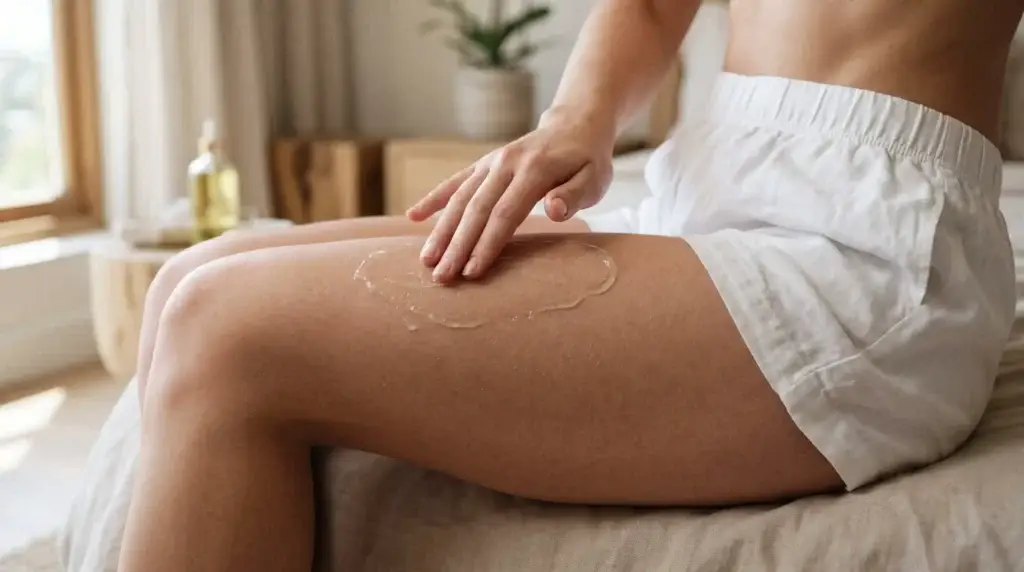
Waxing Aftercare: How to Prevent Ingrown Hairs in the First Few Days
The first few days after your wax are about letting your skin calm down.
Your follicles have just been cleared, and your skin may be a little red or sensitive. That’s normal.
Skip heat and heavy sweating
Hold off on saunas, steam rooms, hot tubs, hot yoga and intense workouts right after your appointment. Heat and sweat can irritate freshly waxed skin and open follicles.
Texas heat counts too. If you’ll be outside on a hot Dallas afternoon, plan to rinse off and change into dry clothes as soon as you can.
Keep your hands off
Touching, scratching or picking at freshly waxed skin can transfer bacteria and add irritation.
Wear loose, breathable clothing
Choose soft, loose fabrics over tight jeans, leggings or compression wear when you can, especially on areas that were just waxed.
Avoid heavy or fragranced products
Skip heavily fragranced lotions, perfumed body sprays and harsh products on waxed areas until your skin has settled. After underarm waxing, ask us about when to return to your usual deodorant or antiperspirant.
Skip self tanner and sun
Freshly waxed skin can be more sensitive. Avoid self tanner on waxed areas at first, and protect exposed skin from the sun.
Don’t exfoliate yet
This is one of the most common mistakes. Exfoliation is important, but not right away. Give your skin a few days to recover first.
Waxing Aftercare: How to Prevent Ingrown Hairs Long Term
Once your skin has calmed, your focus shifts from soothing to keeping follicles clear. This is the part of any “waxing aftercare how to prevent ingrown hairs” guide that matters most.
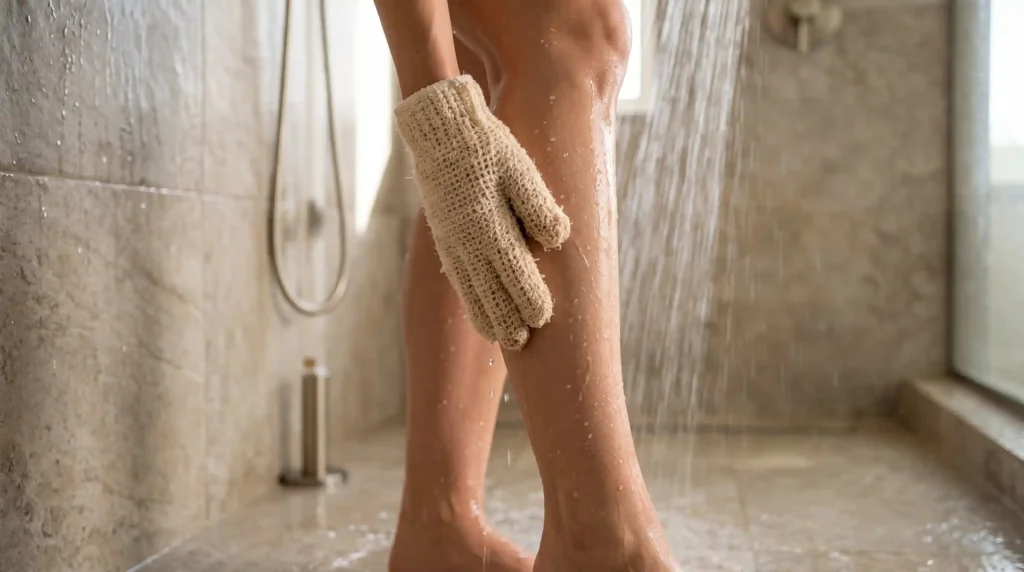
Exfoliate gently and regularly
Gentle exfoliation removes the dead skin that can trap regrowing hairs.
You can use a mild body scrub, an exfoliating glove or a body product with exfoliating ingredients such as salicylic or glycolic acid. A couple of times a week is plenty for most people.
More isn’t always better.
Scrubbing hard every day can irritate the skin and make bumps worse.
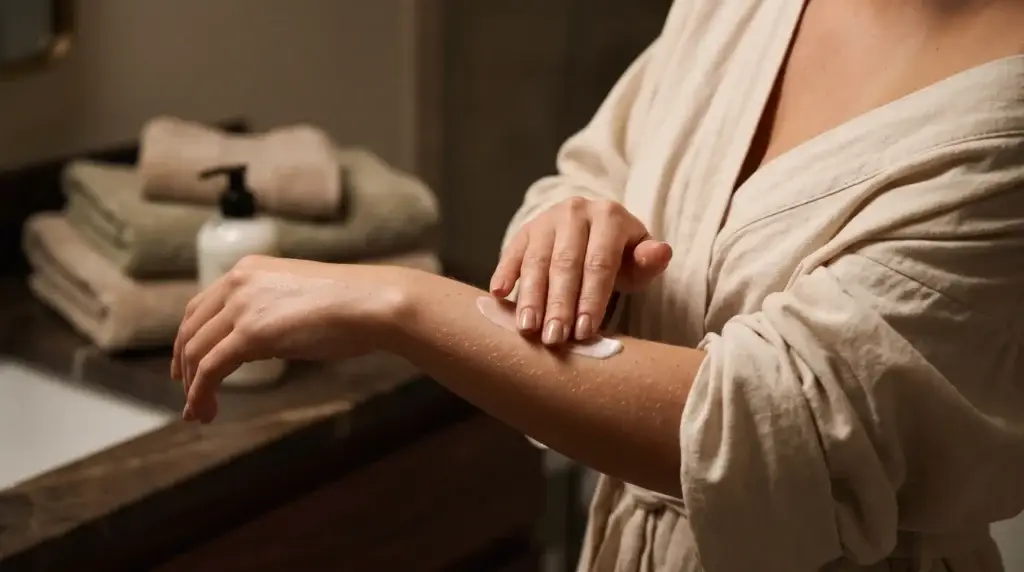
Moisturize every day
Hydrated skin stays soft and flexible, which makes it easier for hairs to grow out normally. Apply a simple moisturizer after showering while your skin is still slightly damp.
Don’t shave between waxes
We know the regrowth phase can be tempting to “fix.”
But shaving between appointments resets the cycle and can create the sharp tipped hairs that are more likely to become ingrown.
If something comes up between appointments, call us. We may be able to help.
Keep a consistent schedule
Regular waxing keeps your hair on a more predictable regrowth cycle and means hair is more likely to be the right length at each appointment. Many clients find their regrowth feels finer and softer over time with consistent waxing.
Your esthetician can recommend a schedule based on your hair growth and the area being waxed.
Choose your clothes with your skin in mind
Even after the first few days, constant friction can contribute to ingrown hairs. Change out of sweaty workout clothes promptly and give frequently waxed areas some breathing room when you can.
How to Prevent Ingrown Hairs on Different Areas
Every area of the body behaves a little differently.
Legs
Leg hair is often less coarse than hair in other areas, but ingrown hairs can still show up, especially where tight pants rub. Exfoliate gently in the shower and moisturize daily.
Underarms
Underarm skin is thin and experiences constant friction and sweat. Keep the area clean and dry, choose gentle products and avoid scrubbing too hard.
Back, chest and stomach
These areas are common for our body waxing in Dallas clients. Sweat, tight athletic shirts and coarser hair can all play a role. Sweat, tight athletic shirts and coarser hair can all play a role. Shower after workouts, exfoliate gently and avoid letting damp clothing sit against the skin.
Arms and hands
These areas tend to recover quickly, but they still benefit from moisturizer and sun protection.
Face
Facial waxing calls for extra care because facial skin is more delicate and more visible. Use gentle products made for the face rather than body scrubs.
If you use retinoids, exfoliating acids or prescription skincare, tell us before your facial wax. Those products can make skin more fragile and more likely to lift or become irritated during waxing.
Is It an Ingrown Hair or Something Else?
Not every bump after waxing is an ingrown hair.
Temporary irritation
Small red bumps or redness right after your appointment are often a temporary reaction to hair removal. They usually settle on their own.
Ingrown hairs
These typically appear as hair grows back. You may see a hair under the skin or a small bump that feels tender.
Folliculitis
Folliculitis is inflammation or infection of the hair follicle. It can look like clusters of small red bumps or pus filled bumps around the follicles.
Something that needs medical attention
If a bump is very painful, warm, spreading, filled with pus, or you feel unwell, see a medical provider.
What to Do If You Already Have an Ingrown Hair
Despite your best efforts, an ingrown hair may still appear.
Here’s how to handle it without making it worse.
Leave it alone
Do not pick, squeeze or dig at it. That’s how a small bump turns into an inflamed one, and how marks and scarring become more likely.
Use a warm compress
A clean, warm washcloth held on the area can help soften the skin.
Keep exfoliating gently
Gentle exfoliation around the area can help the hair work its way to the surface.
Be patient
Many ingrown hairs improve on their own with gentle care.
Know when to get help
See a dermatologist or medical provider if an ingrown hair becomes very painful, swollen, hot, filled with pus, keeps coming back or doesn’t improve.
If you’re getting frequent ingrown hairs or recurring bumps after waxing, tell your esthetician too. We can look at your skin, your schedule and your routine to see what might be contributing.
Common Mistakes That Lead to More Bumps
Most ingrown hair problems come from good intentions. Even people who read every “waxing aftercare how to prevent ingrown hairs” tip online can slip into a few habits that make bumps more likely.
Here are the habits we see most often:
- Exfoliating aggressively right after waxing
- Shaving between appointments
- Wearing tight workout clothes right after a body wax
- Picking at bumps
- Waiting too long between appointments, then shaving to “clean up”
- Using harsh, fragranced products on freshly waxed skin
- Skipping moisturizer because skin “feels fine”
Your skin doesn’t need a complicated routine.
It needs a little patience at first and a little consistency after that.
Waxing and Facials: Plan the Order
This is one of the advantages of having your facials, lashes, brows and waxing done in one place.
We can help you plan the order.
Facial waxing, threading and professional exfoliation all affect the skin. Having a facial wax right before a chemical peel, HydroLux facial or ProCell Microchanneling treatment, for example, may not be the best combination for your skin.
Tell us everything you’re booking and we’ll help you schedule your services so each one works the way it should.
Facials. Lashes. Brows. Skincare. Everything face, all in one place.
How to Prepare for Your Next Wax
Good aftercare starts before your appointment.
- Let your hair grow to a length that can be waxed cleanly
- Avoid shaving between appointments
- Gently exfoliate in the days before, but not right before your wax
- Tell us about retinoids, exfoliating acids, prescription skincare and medications
- Avoid waxing over sunburned or irritated skin
- Arrive with clean skin and skip heavy lotions on the area
If you’re unsure whether your hair is long enough or your skin is ready, call or text us before your appointment.
Waxing Aftercare: How to Prevent Ingrown Hairs in Dallas
If you’ve been searching waxing aftercare how to prevent ingrown hairs because bumps keep showing up after your appointments, here’s the most important thing to know:
You don’t need a drawer full of products.
You need the right routine at the right time.
Calm your skin first. Exfoliate gently once it has settled. Moisturize daily. Skip the razor. And stay consistent.
At Glow Up Studio in Dallas, we offer facial and body waxing alongside facials, lashes, brows and professional skincare. That means we can look at your skin as a whole instead of treating every appointment as a one time fix.
Glow Up Studio is located in Inwood Village at 5525 W Lovers Lane in Dallas, Texas.
Book your waxing appointment at Glow Up Studio and let us help you keep your skin smooth, calm and bump free between visits.
Frequently Asked Questions
How do I prevent ingrown hairs after waxing?
Let your skin calm down first, then exfoliate gently a couple of times a week, moisturize daily, wear breathable clothing, avoid shaving between appointments and keep a consistent waxing schedule.
When should I start exfoliating after waxing?
Give your skin a few days to recover first. Exfoliating too soon can irritate freshly waxed skin. Your esthetician can recommend the right timing for your skin and the area waxed.
Are red bumps after waxing normal?
Some redness or small bumps right after waxing can be a temporary reaction to hair removal and usually settle on their own. Bumps that appear as hair regrows are more likely to be ingrown hairs.
Should I pop an ingrown hair?
No. Picking, squeezing or digging can increase inflammation, infection risk and marks. Use a warm compress and gentle exfoliation instead, and see a medical provider if it becomes painful or infected.
Does waxing cause more ingrown hairs than shaving?
Ingrown hairs can happen with any hair removal method. Many people find waxing leads to fewer bumps than frequent shaving, especially when they keep a consistent schedule and follow good aftercare.
Can I work out after waxing?
Avoid intense workouts and heavy sweating right after your appointment. When you do return to exercise, change out of sweaty clothes and shower promptly.
Can I get a facial wax if I use retinol?
Tell us before your appointment. Retinoids, exfoliating acids and prescription skincare can make facial skin more fragile, and your esthetician may recommend a different approach or timing.
Will my hair grow back finer with regular waxing?
Many clients notice their regrowth feels finer and softer over time with consistent waxing. Results vary based on your hair, the area and how regularly you wax.