

If your skin seems to have a mind of its own in Dallas, you are not imagining it. Between 100-degree summers, surprise cold fronts, hard water, and some of the strongest UV in the country, North Texas weather puts your skin through four different climates in a single year – sometimes in a single week.
After treating thousands of Dallas faces at our studio on W Lovers Lane, we can usually tell what month it is just by looking at someone’s skin. Here is what each season actually does to your complexion, and how to adjust your routine (and your facial schedule) to stay ahead of it.
Summer: UV, Sweat, and Congestion
Dallas summers mean UV indexes that regularly hit 10+, which is firmly in the “very high to extreme” range. That intensity does two things at once:
- It accelerates pigmentation. Sun spots, melasma, and post-acne marks all darken between May and September. Guests who had faint freckling in spring often come back in August with visible patches.
- It breaks down collagen faster. UV is responsible for the majority of visible skin aging – fine lines, loss of firmness, rough texture – and Texas delivers a bigger annual dose than most of the country.
Add sweat, humidity, and heavier sunscreen use, and summer also becomes peak season for clogged pores and breakouts along the hairline, cheeks, and jaw.
What to do: SPF 30-50 every morning, reapplied if you are outside (yes, even driving – UVA comes through car windows). Lightweight, non-comedogenic moisturizer. This is the season for regular exfoliating facials and hydrafacial-style treatments that clear congestion without adding heat or downtime. Keep strong peels and microneedling on a careful schedule and be extra strict about sun protection afterward.
Fall: The Damage Reveal
October in Dallas is when summer sends you the bill. As your summer tan fades, the pigmentation and texture it was hiding become obvious: sun spots look darker, skin looks duller, and dehydration lines show up around the eyes.
What to do: fall is correction season – the best time of year for treatments that undo summer damage. This is when we see the best results from chemical peels and microneedling series, because UV is finally lower and skin can heal without fighting the sun. A fall reset facial is genuinely one of the highest-value appointments of the year.
Winter: Dry Air and a Weakened Barrier
Dallas winters are mild but sneaky. Cold fronts drop humidity fast, indoor heating runs constantly, and wind strips moisture from the skin surface. The result is a compromised skin barrier: tightness, flaking, redness, sensitivity to products you normally tolerate, and makeup that clings to dry patches.
What to do: swap gel cleansers for cream or milk cleansers, layer a hydrating serum under a richer moisturizer, and do not stop exfoliating – just switch to gentler methods. Winter is actually the ideal season for dermaplaning (removes the flaky layer so moisturizers can reach living skin) and for peel series, since UV exposure is at its yearly low. We covered this in why winter is the perfect time for peels.

Spring: Allergies and Sudden Swings
Spring in North Texas is beautiful and brutal at the same time. Pollen counts soar (Dallas regularly ranks among the worst US cities for allergies), and allergy season shows up on your face: puffy eyes, dark circles, redness around the nose, and inflammation that makes skin reactive and breakout-prone. Antihistamines help your sinuses but dehydrate your skin further.
What to do: focus on calming and barrier support. Cool compresses for puffy eyes, fragrance-free products when skin is reactive, and hydration-focused facials to counteract antihistamine dryness. Start your daily SPF habit now if you slacked over winter – by May, the UV index is already climbing.
The Year-Round Dallas Factors Nobody Talks About
Hard water
Dallas water is moderately hard, meaning it carries dissolved minerals that leave a residue on your skin. That film can make cleansers less effective, clog pores, and leave skin feeling tight and dull no matter what products you use. A gentle second cleanse or a micellar water pre-cleanse at night makes a visible difference for many of our guests.
Air conditioning (all nine months of it)
From April to October, you move between hot humid air outside and cold dry air inside dozens of times a day. AC strips moisture aggressively. A hydrating mist or a richer daytime moisturizer is not a luxury here – it is basic maintenance.
Driving = sun exposure
Dallas is a driving city. UVA rays penetrate car windows and quietly cause cumulative damage on the left side of your face and your hands. We regularly see more sun spots on the driver’s side. SPF on your face, neck, chest, and the backs of your hands belongs in your morning routine, not your beach bag.
The Simple Dallas-Proof Routine
- Morning: gentle cleanse, antioxidant serum (vitamin C earns its place in this climate), moisturizer, SPF 30-50.
- Evening: double cleanse (especially with hard water + sunscreen), treatment serum matched to your main concern, moisturizer.
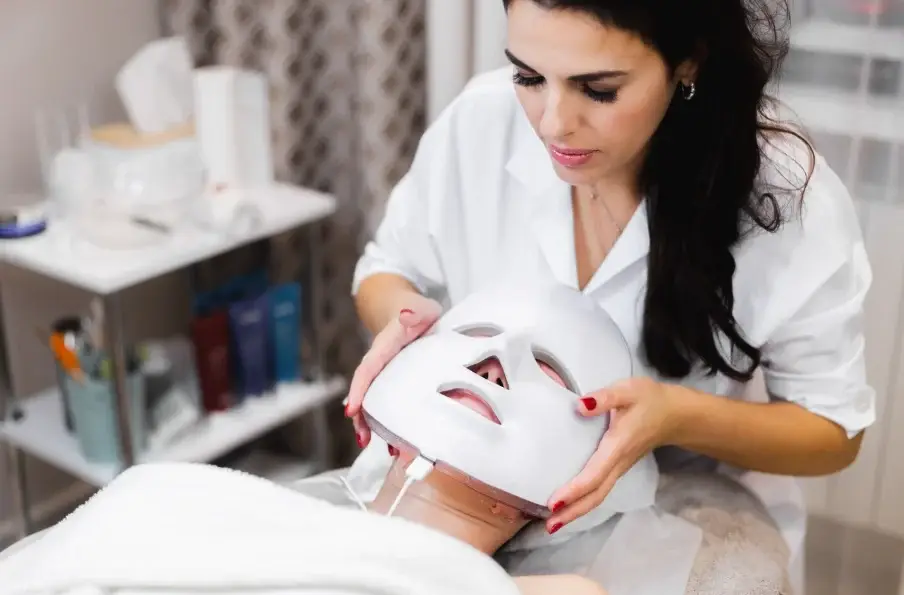
- Monthly: a professional facial matched to the season – exfoliating and pore-clearing in summer, corrective peels and microneedling in fall and winter, calming and hydrating in spring.
- Always: adjust products with the season instead of running the same routine all year.
Frequently Asked Questions
What is the best facial for Dallas summers?
Hydrafacial-style treatments and light enzyme facials. They clear sweat-and-sunscreen congestion, rehydrate, and require no downtime, so you do not have to hide from the sun while your skin recovers.
When is the best time of year for chemical peels in Dallas?
Late fall through early spring. Lower UV means safer healing and less risk of post-peel pigmentation. That said, light no-downtime peels can be done year-round with strict SPF use.
Why does my skin break out more in the Texas heat?
Heat increases both sweat and oil production, and heavy sunscreens can add to the mix. The combination traps debris in pores. Regular professional cleansing, lighter gel-based products, and not touching your face go a long way.
Does Dallas weather age your skin faster?
The UV index does the aging, not the city itself – but Dallas gets a high annual UV dose, and most of us underestimate our daily exposure because so much of it happens through car windows and short walks. Consistent daily SPF matters more here than in cloudier parts of the country.
The Bottom Line
Dallas skin is not difficult skin – it is skin that needs a seasonal strategy. Clear and protect in summer, correct in fall, nourish in winter, calm in spring, and wear SPF through all of it. Get that rhythm right and the weather stops being your skin’s enemy.
Want a routine built around your skin and this climate? Visit Glow Up Studio at 5525 W Lovers Lane for a custom facial – your esthetician will map out exactly what your skin needs this season and the next.